The Claim
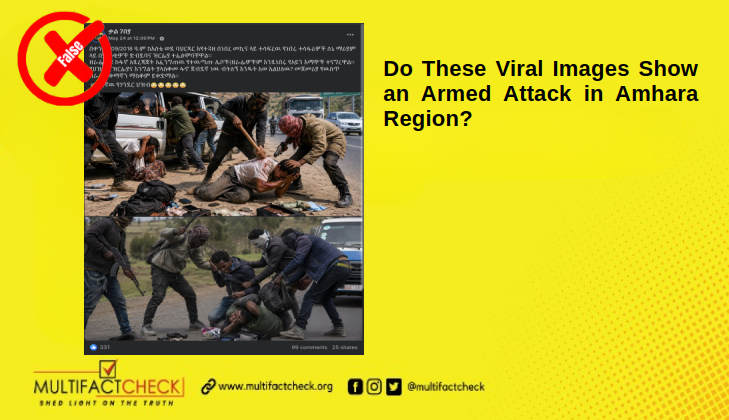
A Facebook post claims a recent armed attack on civilians. The caption reads, “On May 22, 2026, passengers who were traveling on a vehicle from Esite to Bahirdar were subjected to beating and robbery by armed men at Sene Mariam.”
The post further alleges that eyewitnesses identified the perpetrators as criminals who had broken away from the Fano armed group. Two images accompany the post as visual proof. Consequently, the claim has spread rapidly across social media platforms.
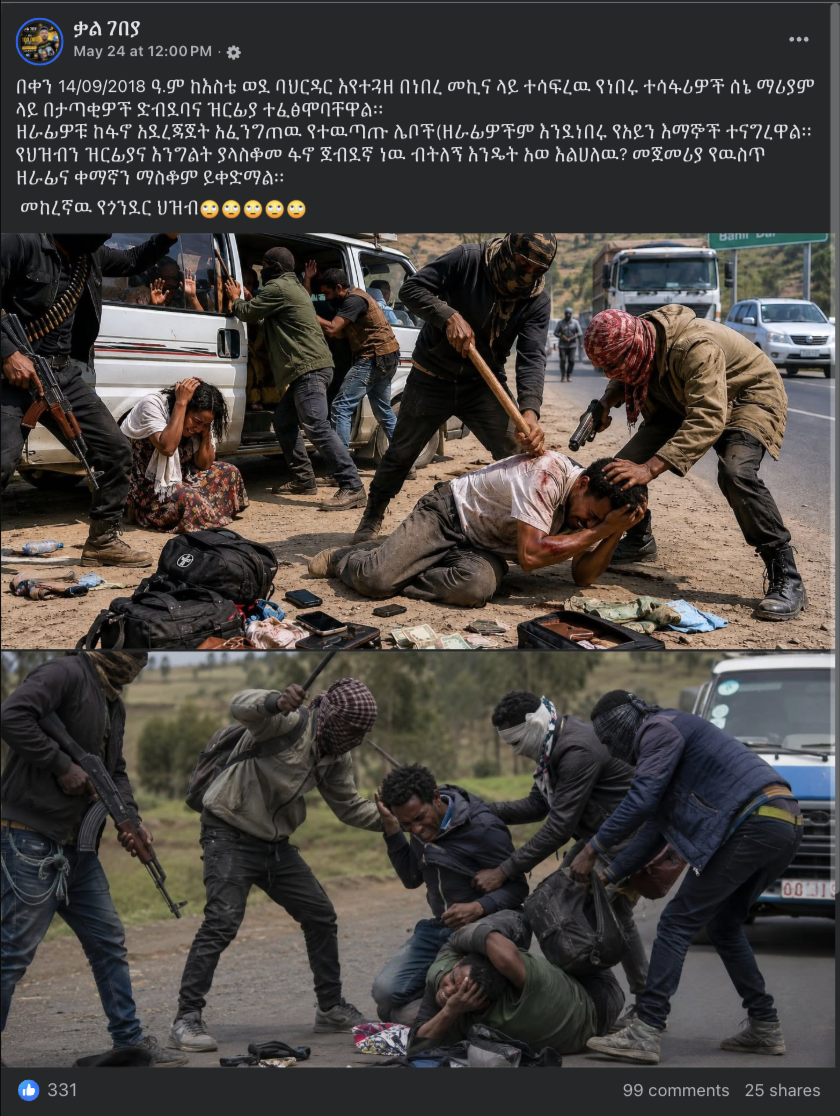
Image 1: A screenshot of the Facebook post containing the claim, as it appeared on the platform.
Verdict
The two images attached to the claim are completely fabricated. After a thorough investigation, MFC confirmed that these pictures do not show any attack on passengers traveling from Esite to Bahirdar. Furthermore, forensic analysis reveals that both images are artificially generated. Therefore, readers should disregard this claim entirely.
Investigation & Findings
MFC conducted a rigorous digital investigation to assess the credibility and authenticity of the two shared images. Accordingly, multiple red flags emerge upon close examination of these images.
First image analysis: The Amharic text on the road sign contains a clear spelling error. Additionally, the paper money scattered on the ground appears unrealistic and completely unidentifiable. These inconsistencies suggest digital manipulation.
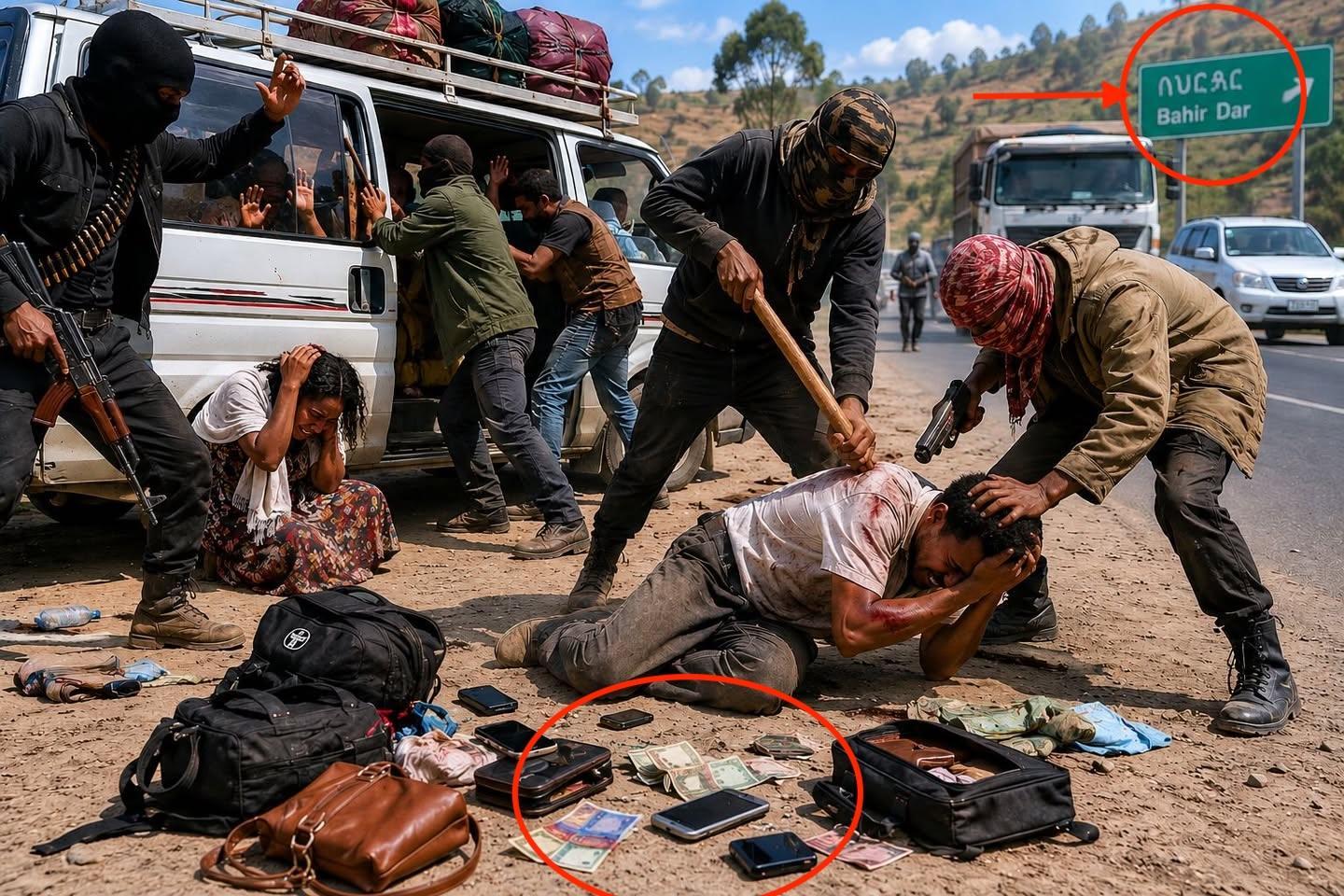
Image 2: A screenshot taken from the Facebook post, purportedly showing the scene of the alleged attack. The image was confirmed to be AI-generated.
Second image analysis: The person lying on the ground displays obvious anatomical abnormalities. Moreover, the vehicle’s license plate is illegible and does not match the format of current Ethiopian license plates. Such errors are telltale signs of artificial generation.
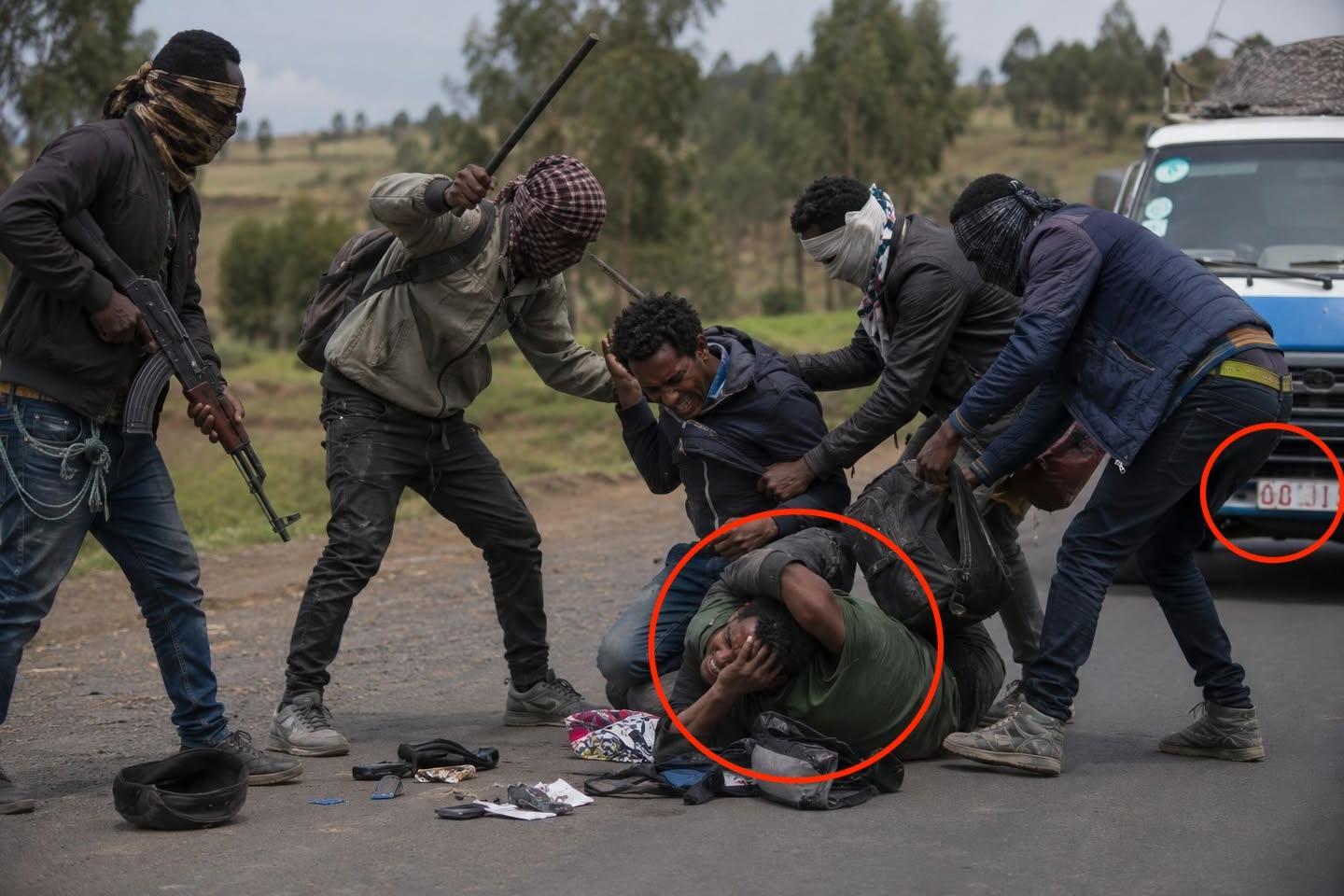
Image 3: A second screenshot taken from the Facebook post, also confirmed to be AI-generated.
Technical verification: MFC used Hive Moderation, a leading AI detection tool, to analyze both pictures. The results confirmed that both images are AI-generated. Consequently, they hold zero evidentiary value.
Hive Moderation analysis returned a 99.9% probability that the first image is AI-generated. The detection tool flagged “gptimage2” as the primary generation source alongside 99 additional AI indicators, while the deepfake probability remained at 0%. Consequently, the platform confidently classified this input as AI-generated content rather than a manipulated authentic image.
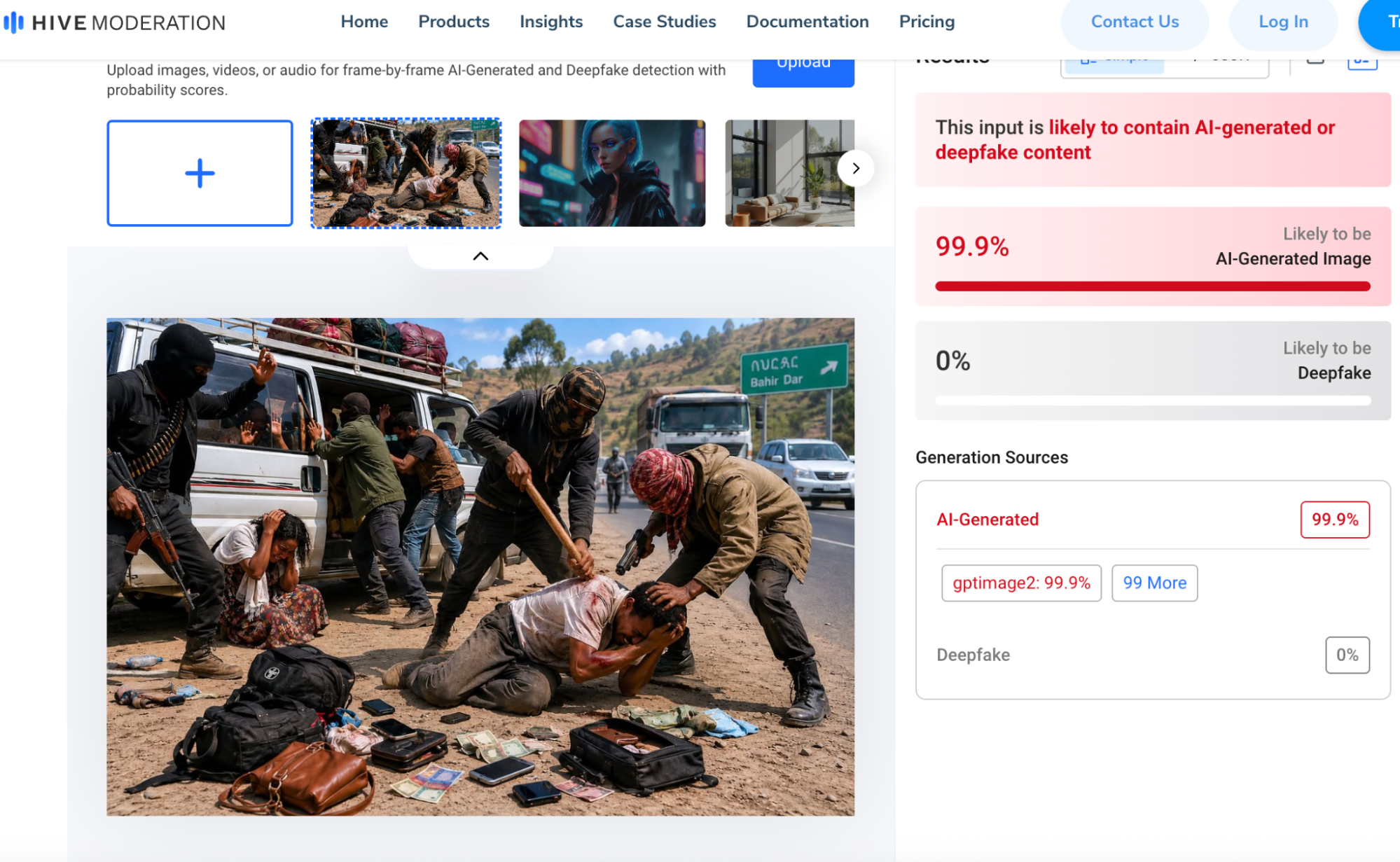
Image 4: A screenshot of the Hive Moderation AI-detection result for the first image, indicating it is AI-generated.
Similarly, Hive Moderation analysis of the second image yielded a 94.7% probability of AI generation. In contrast to the first image’s single-source detection, however, this result points to multiple generation tools: gptimage2 accounts for 74.6% of the probability, whereas stablediffusion contributes another 22.2%. Moreover, the platform identified 98 additional AI indicators, yet the deepfake probability remained negligible at just 0.1%. Consequently, this image—like the first—is overwhelmingly classified as AI-generated content rather than any form of authentic or deepfake manipulation.
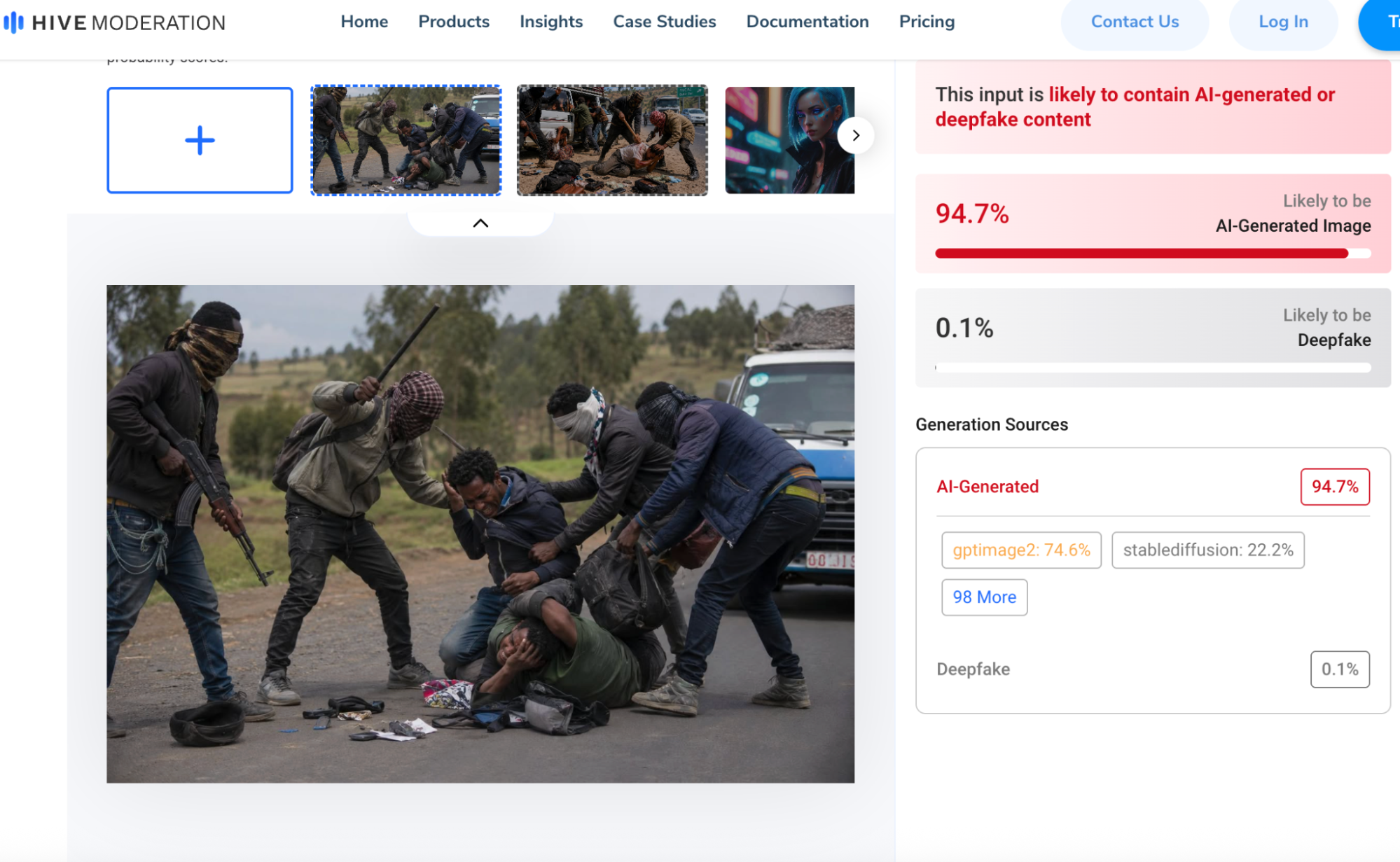
Image 5: A screenshot of the Hive Moderation AI-detection result for the second image, also indicating it is AI-generated.
Context
The Amhara region has experienced active armed conflict since April 2023. Consequently, kidnapping, robbery, and other abuses have been reported across different parts of the region for years.
To provide broader perspective, the conflict has significantly disrupted civilian life. According to the International Crisis Group, fighting between Fano and government forces intensified in mid-2023, displacing hundreds of thousands of residents. The United Nations Office for the Coordination of Humanitarian Affairs (OCHA) reported that over 1.5 million people in Amhara required emergency assistance in 2024 due to conflict-related instability.
Additionally, the National Election Board of Ethiopia (NEBE) recently announced that voting would not take place in eight of 138 electoral districts within northwestern Amhara. The board cited “unfavorable conditions” as the official reason. Clashes between Fano and federal government forces continue to create security vacuums in rural areas. Therefore, while real violence occurs, the specific images circulating online remain completely fake.
Conclusion
This claim exploits genuine regional instability to spread digital misinformation. MFC has thoroughly investigated the images purporting to show an armed attack on Amhara passengers. The evidence leads to one clear conclusion: the claim is entirely false. Both pictures are AI-generated, not documentary proof of any real event.